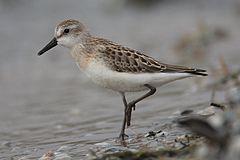
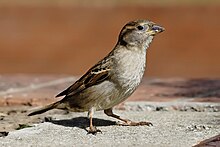
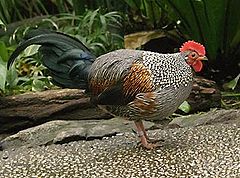
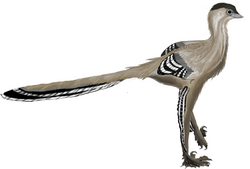
Many existing bird orders trace back to Enantiornithes niche subgroups.
Quote:
| http://en.wikipedia.org/wiki/Enantiornithes so that it is possible that enantiornithines may actually represent successive outgroups on the lineage leading to modern birds. AND http://en.wikipedia.org/wiki/Apsaravis This would mean that, rather than a radiation of primitive birds separate from the radiation that led to modern birds, "enantiornithines" would actually be steps along the way to becoming modern birds. |
Quote:
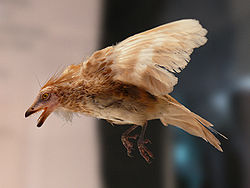
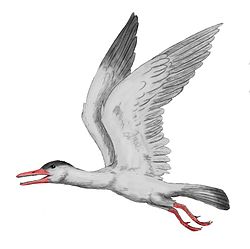
| http://en.wikipedia.org/wiki/Enantiornithes Enantiornithine fossils appear to include waders, swimmers, fish-catchers, and hook-beaked raptors. And http://en.wikipedia.org/wiki/Bird Enantiornithes occupied a wide array of ecological niches, from sand-probing shorebirds and fish-eaters to tree-dwelling forms and seed-eaters. |
It is a branching tree. In this picture there is increasing specializations and expansion within the niche and expansion across the globe exploiting that niche..
For example, the wader groups of Enantiornithes developed into a variety of specialized wader bird orders and expanded across the globe in their niche.


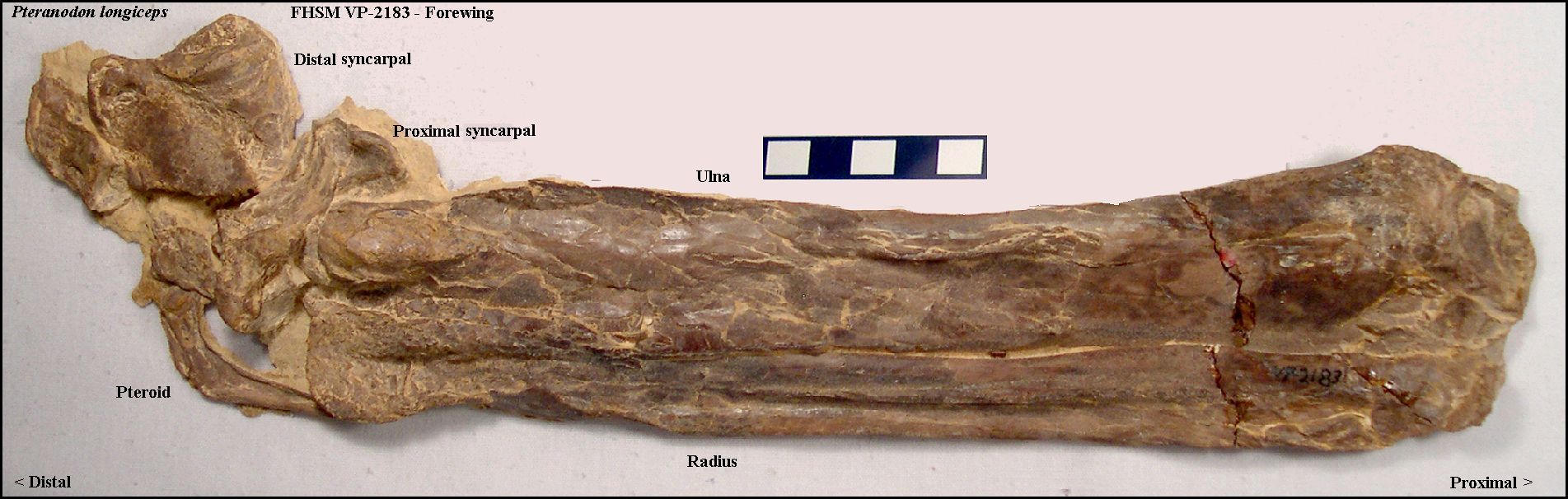
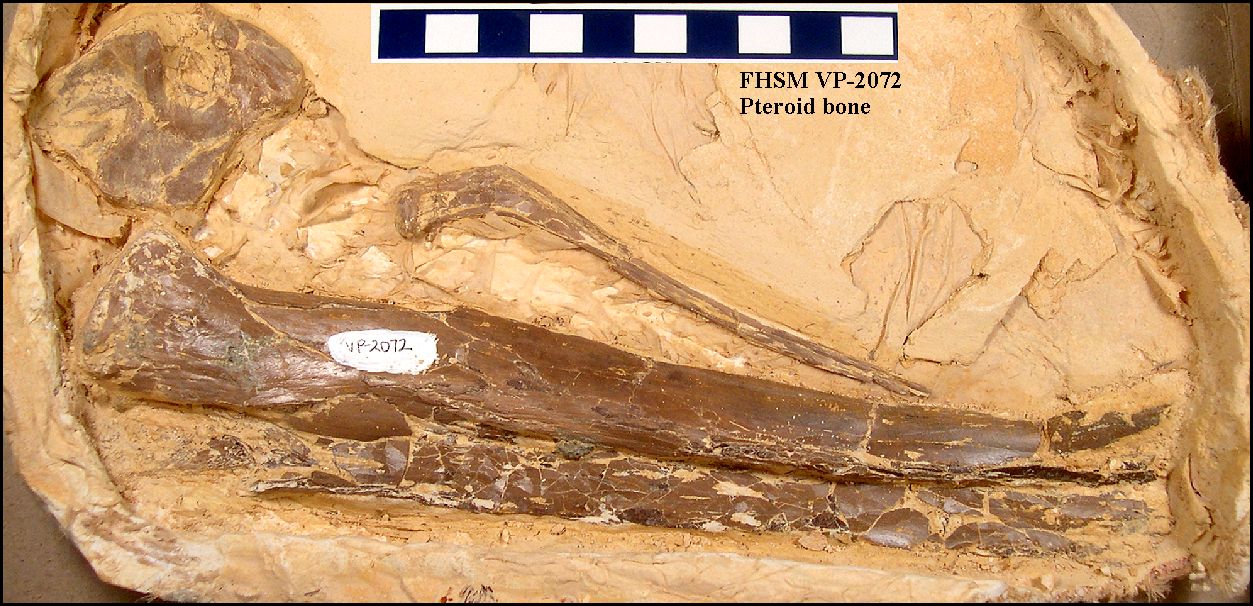


27%5B881:aafotp%5D2.0.co;2/production/images/large/i0272-4634-27-4-881-f05.jpeg)
27%5B881:aafotp%5D2.0.co;2/production/images/large/i0272-4634-27-4-881-f03.jpeg)

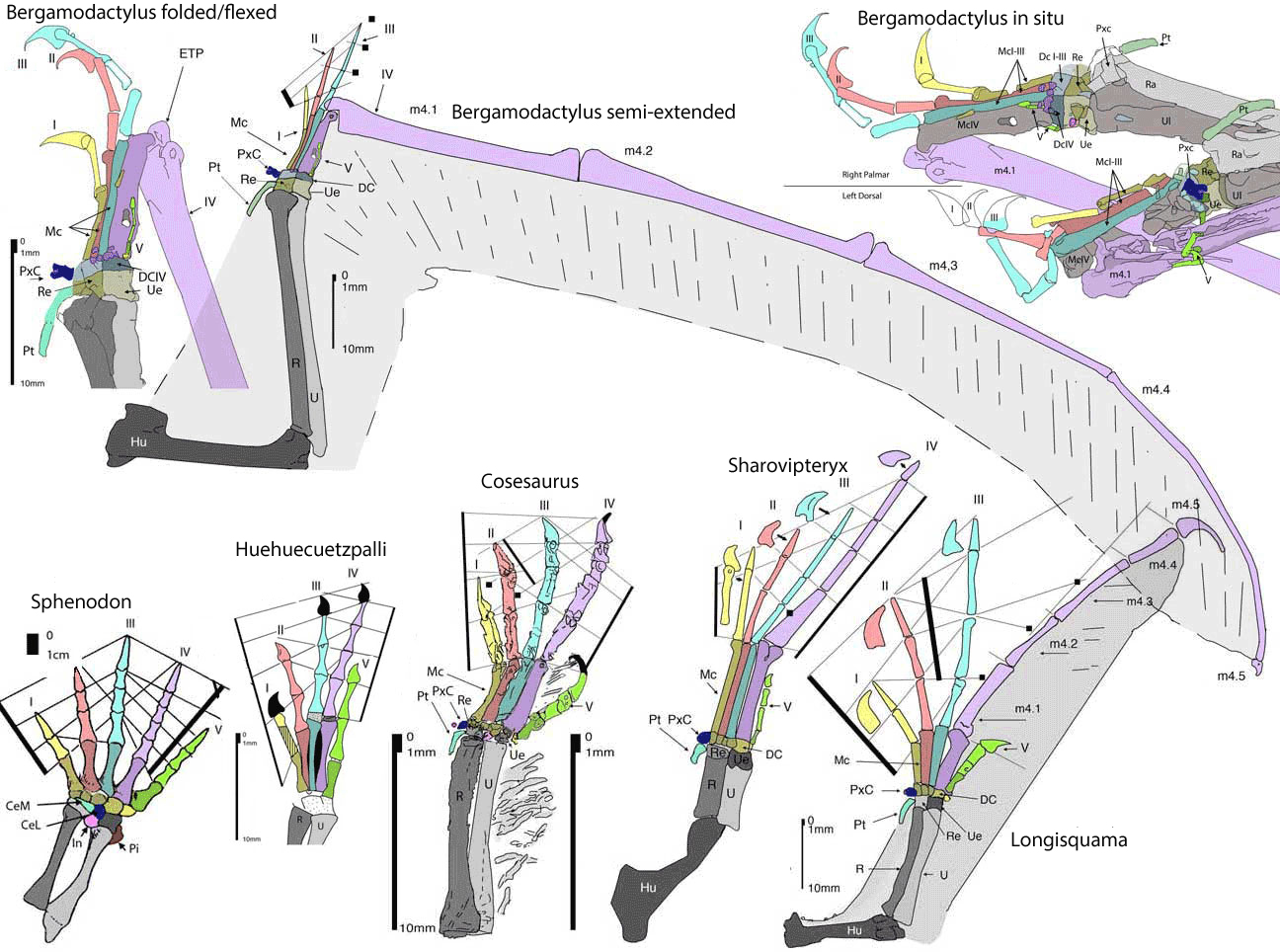

27%5B881:aafotp%5D2.0.co;2/production/images/medium/i0272-4634-27-4-881-f02.gif)

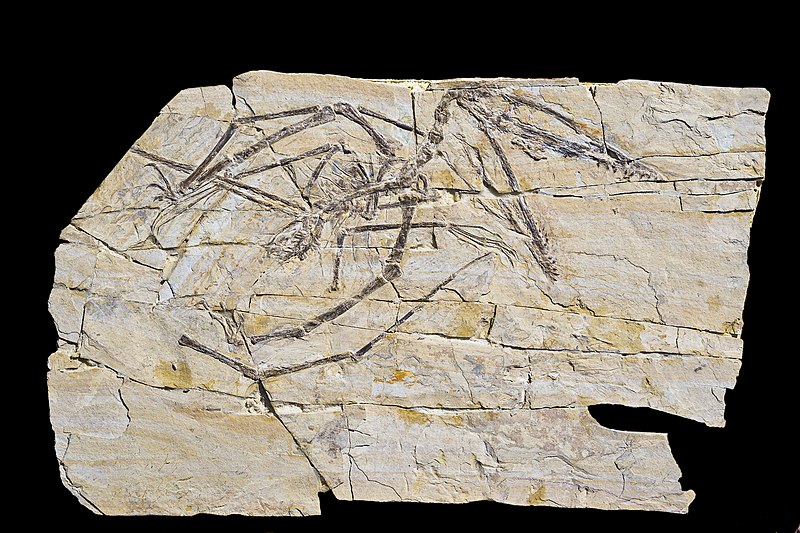
27%5B881:aafotp%5D2.0.co;2/production/images/medium/i0272-4634-27-4-881-f01.gif)